Healthcare Workers

Healthcare workers (MD, DO, RN, PA, NP, PT, OT, SPT, LCSW, LPC, LMFT, etc) share frameworks, experiences and stressors that are distinct from nearly any other workforce. Many enter the field driven by a desire to help and a tendency toward identifying and taking action to solve problems. Those strengths support excellent patient care and often also allow for certain coping mechanisms to be used, such as emotional compartmentalization, morbid and gallows humor, and reliance on low-effort, high-reward behaviors (comfort food, alcohol, smoking, etc.) to maintain a sustainable career.
What supports effective functioning in high-stakes, high-detail clinical environments can erode personal wellbeing when used in other areas of life. Healthcare workers are at high risk for vicarious trauma and secondary traumatic stress. Compounded by a demanding and broken system, long hours, and moral injury, these experiences can progress to compassion fatigue and burnout. Left unrecognized, they can affect relationships, sleep, concentration, mood, and physical health. These can also further exacerbate other life stresses.
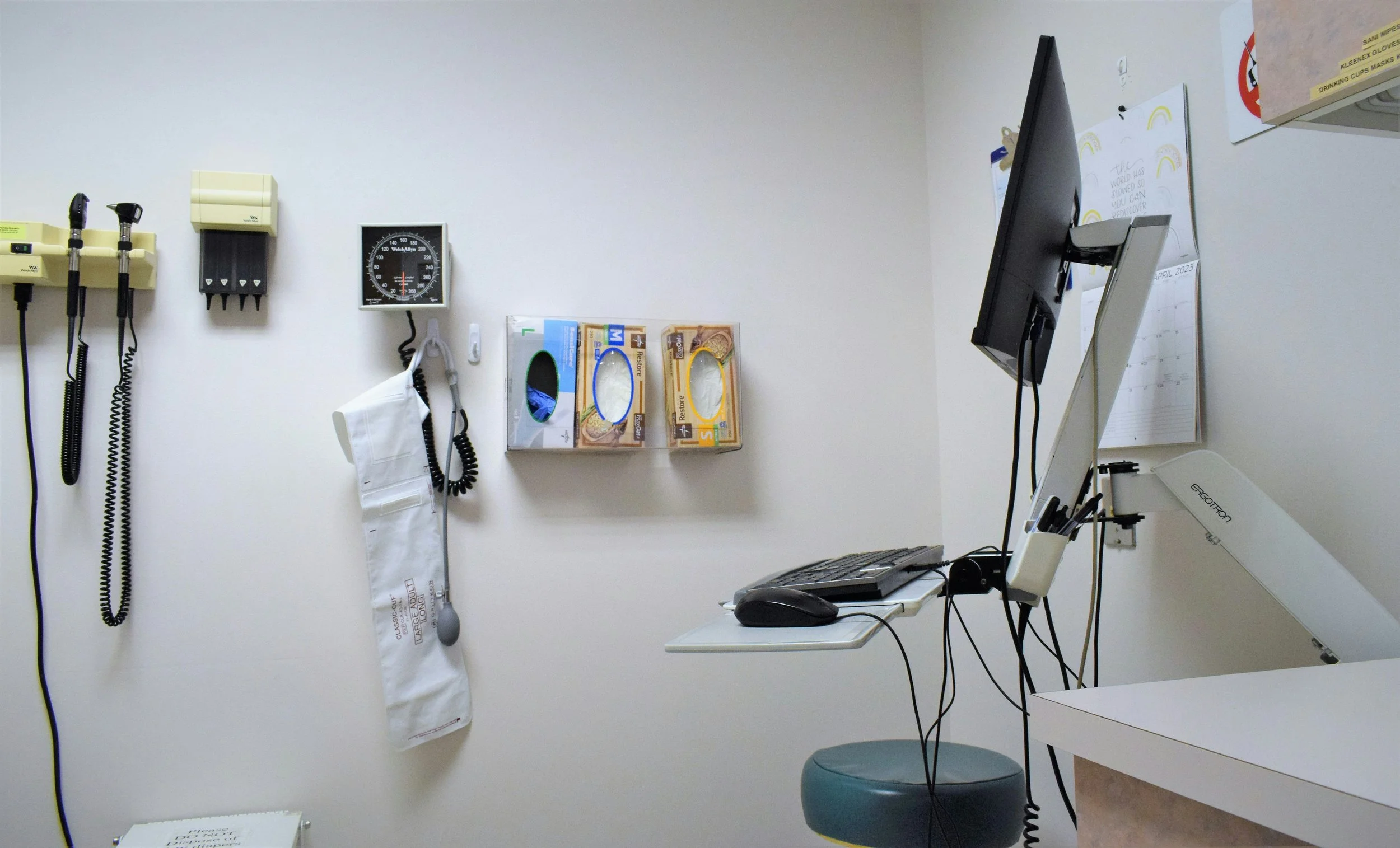

When it comes to therapy, healthcare workers often look for a certain approach to therapy-more direct, psychoeducational as needed, and focused on creating relief and skills to manage on their own in the long run. It also requires a certain level of tolerance for frameworks and thought processes that are considered to be maladaptive in any other area that are highly adaptive in their context. Typical approaches to therapy can oftentimes feel inadequate or working around the goals for healthcare workers, and approaching you with acknowledging what you already know and working towards the steps beyond it.
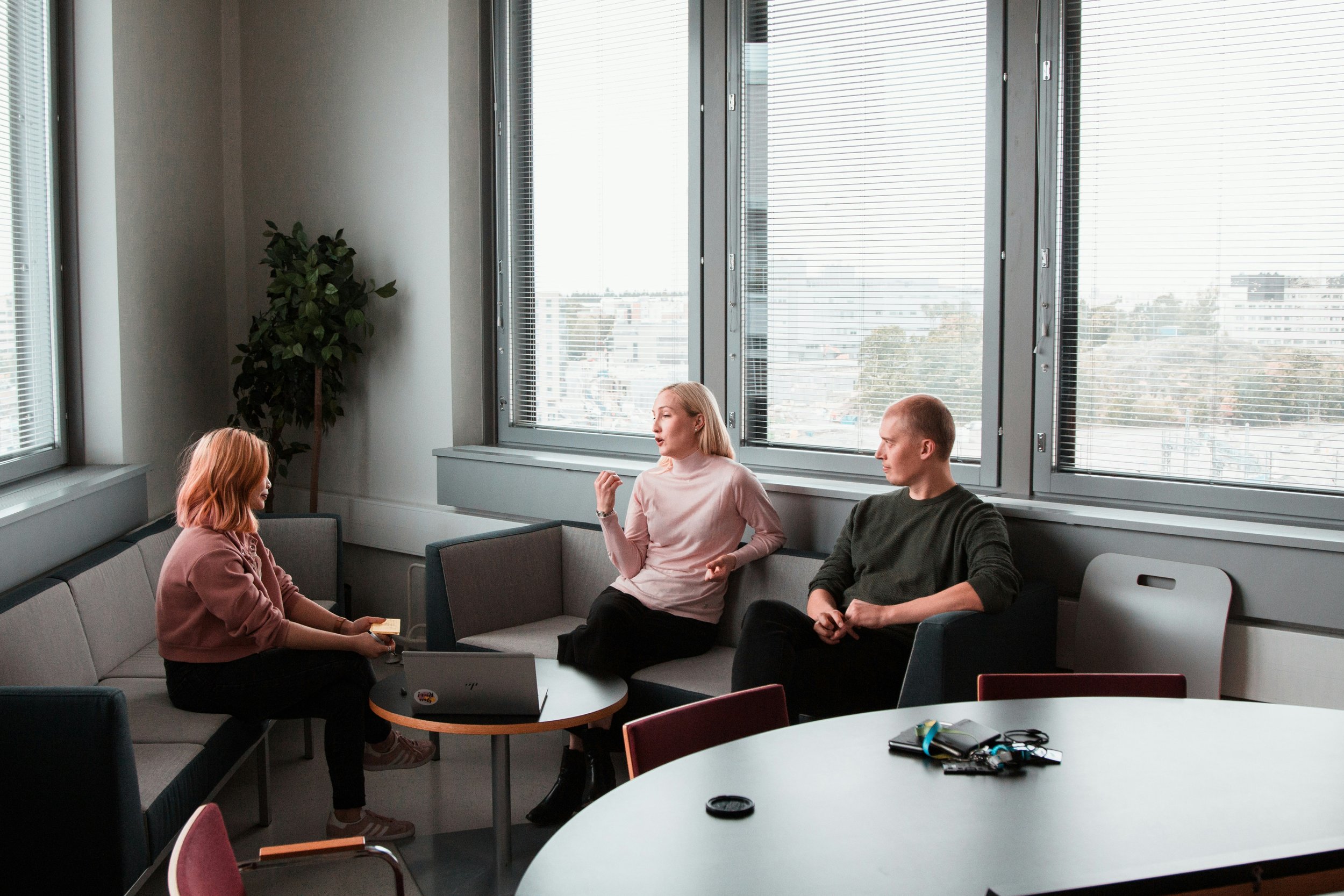
As the daughter of two ER nurses with many other family members in healthcare, I am very familiar with some of the differences in approaching the world that both attracts people to and comes out of working in healthcare. Much of my approach to therapy is influenced by my experience being raised and exposed to both the healthcare world from the provider’s side and those doing the providing. I have found it to be incredibly helpful for many clients in the healthcare profession who wanted work that acknowledged such a huge part of their time, energy and identity and to work with someone who understands not just the logistics but the way of thinking that happens both inside and outside of work. Helping the helpers is a significant area of focus in my practice that oftentimes requires a slightly different approach and a personality matchup that can create long lasting benefits.